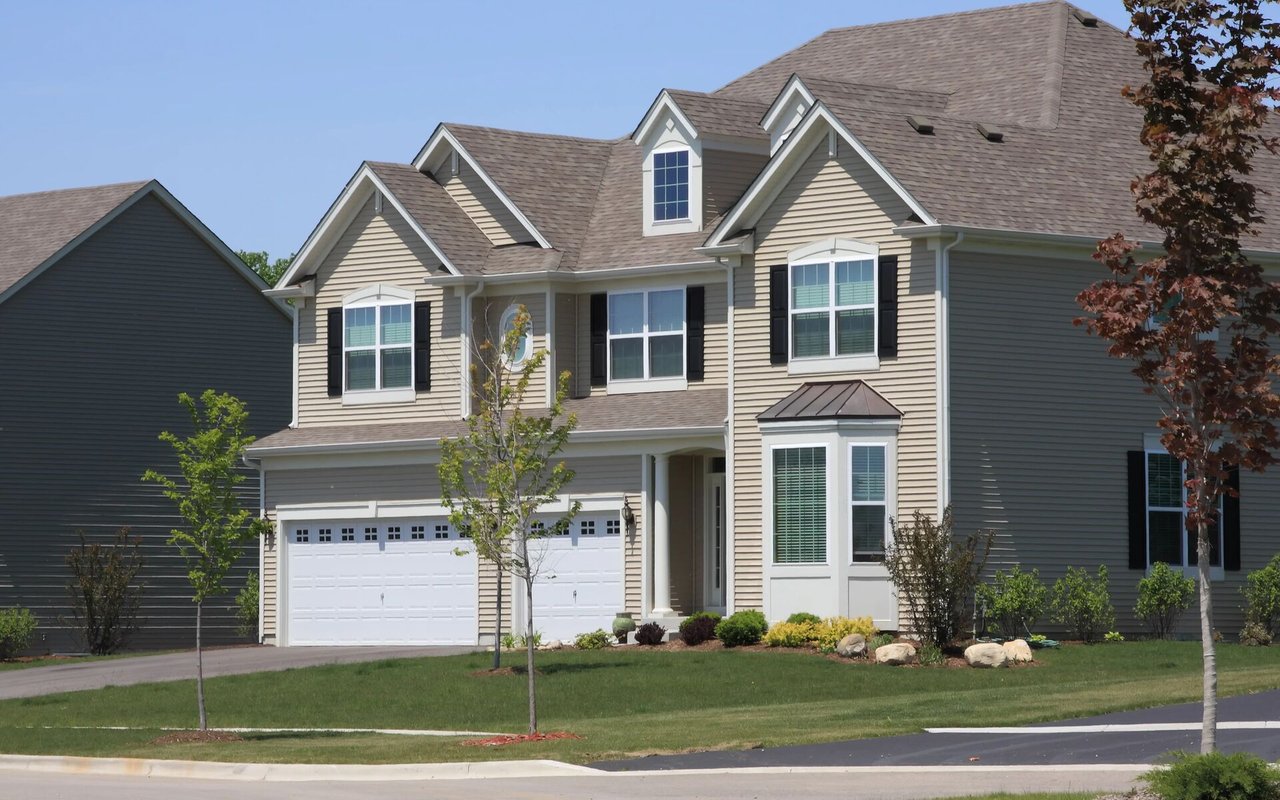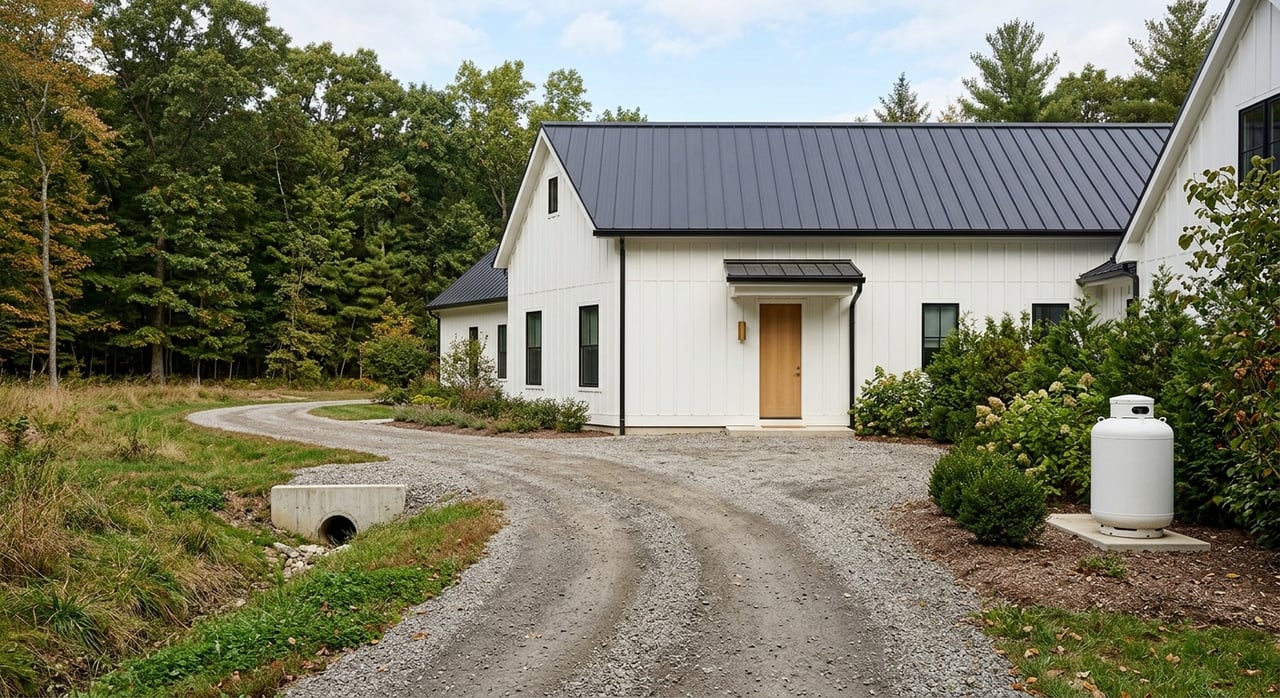
If you are dreaming about more space, more privacy, and room to shape a property around your goals, Goochland County can be very appealing. At the same time, buying a home on acreage here is usually not as simple as buying a house on a neighborhood lot. You need to look closely at zoning, utilities, access, and long-term land use before you close. Let’s dive in.
Why Goochland acreage is different
In Goochland County, acreage properties often come with a different set of rules and expectations than suburban homes. The county’s zoning framework is built to preserve rural, agricultural, and forestal land, which affects how land can be used and how homesites are developed.
For example, A-1 zoning allows rural residential development by right with a 2-acre minimum lot size, while R-R zoning is intended for low-density rural areas not planned for public or central utilities and requires a 5-acre minimum lot size. In practical terms, that can mean more privacy and flexibility, but fewer built-in infrastructure assumptions.
That is one reason rural property due diligence matters so much. With acreage, you should not assume that utilities, driveway access, drainage, or future improvements will work the same way they might on a typical subdivision lot.
Start with zoning and parcel research
Before you fall in love with a property, confirm exactly how the parcel is zoned and what that zoning allows. If you plan to keep animals, add a barn, create a second homesite, or make other land-use changes later, those questions need answers early.
Goochland County’s GIS and parcel tools are a helpful first stop. According to the county, those tools can show property ownership, tax information, land use, zoning, utility locations, roads, natural features, topography, and other environmental details.
For acreage buyers, that means you can often spot potential issues before you write an offer. It is much better to find out early that a parcel has floodplain constraints, limited road access, or utility questions than to discover those issues deep into the contract period.
Understand utilities before you buy
Utilities are one of the biggest differences between acreage property and a typical residential lot. In Goochland, public water and sewer are not available everywhere, so you need to verify whether the property is served by a public system or relies on private systems.
Check whether the property is in TCSD
The Tuckahoe Creek Service District provides water and sewer to certain parts of the county. Goochland County states that only parcels inside the district can connect to that system, and not every parcel inside the district is already connected.
That means you should confirm three separate points:
- Whether the parcel is inside the district
- Whether the parcel is already connected
- Whether ad valorem taxes or connection fees apply
This matters both for your monthly ownership costs and for your future plans. A parcel that looks similar on paper may have very different utility options depending on its exact location.
Treat a private well like an owned utility
If the home has a private well, the Virginia Department of Health says the owner is responsible for testing and upkeep. VDH does not test private wells for owners, and newly constructed wells must be tested for bacteria before use.
VDH also recommends that prospective buyers test well water for basic indicators, bacteriological concerns, and radiological concerns. In some cases, your lender may also require testing during the transaction.
The key takeaway is simple: a private well is not just a box to check on a listing sheet. It is an important part of the property’s infrastructure, and you should evaluate it that way.
Review septic records carefully
If the property uses an onsite septic system, records matter. The local health department issues sewage disposal construction permits, inspects completed systems, and keeps related files.
Those records can help you understand the system’s design, capacity, inspection history, prior repairs, and whether there are any limitations on use. That is especially important if you are buying a property for part-time use, recreation, or future expansion.
VDH recommends asking for:
- Septic permit
- Inspection reports
- Operation permit
- As-built drawings
- Operation and maintenance manual
- Maintenance reports
VDH also advises buyers to request these records several weeks before closing so any needed follow-up does not delay settlement.
Access and driveways can shape the whole deal
Acreage buyers often focus on the house, the fields, or the views first. But one of the most important questions may be much simpler: how do you legally and practically get in and out of the property?
In Goochland, entrances onto state-maintained roads are regulated by VDOT. VDOT states that no entrance to a VDOT highway may be built unless its location and design comply with access-management standards and the work is authorized by a land-use permit.
If a parcel needs a new entrance or changes to an existing one, that can affect where you place a home, barn, or driveway. Goochland’s code also says driveway grades must conform to VDOT subdivision street requirements and approaches must provide an unobstructed view.
For a property with long road frontage or a possible future homesite, this issue can be bigger than buyers expect. A great homesite on paper may not be the easiest or most realistic location once access rules are applied.
Check floodplain, drainage, and site work early
On acreage, usable land and total land are not always the same thing. A parcel may have plenty of space, but floodplain, slope, drainage, and stormwater requirements can affect what you can actually build or clear.
Goochland County has added preliminary FEMA flood maps to its parcel viewer, and the county describes the 100-year floodplain as the area with a 1 percent annual chance of flooding. The county also notes that development within the floodplain requires permitting.
That matters if you are planning a new homesite, clearing trees, grading land, or building a long driveway. Goochland’s stormwater ordinance requires erosion and stormwater plans to be approved before land disturbance, with fees tied to the amount of acreage disturbed.
In other words, land improvement costs can start before construction even begins. Looking at floodplain and drainage early can help you avoid expensive surprises later.
Think about long-term ownership
Buying acreage is not just about whether the property works for you on day one. It is also about whether it will still work for your plans several years from now.
Ask about land-use assessment
Goochland’s land-use program offers use-value assessment for qualifying land. According to the county, eligible agricultural land must be zoned agricultural, be used in production, and meet minimum acreage requirements, while forest land generally needs 20 acres.
If a property is enrolled in land use, you need to understand what happens if that use changes after closing. Goochland warns that a change in use must be reported within 60 days to avoid rollback tax, which can include the current year plus the five most recent years, along with interest.
That can be important if you might stop farming, change how the land is used, or split off part of the parcel in the future. It is always better to understand that issue before you buy than after your plans shift.
Match the property to your intended use
Acreage buyers sometimes assume that if a home sits on a large parcel, the systems and permits will support every possible use. That is not always the case.
VDH notes that septic records may reveal limits on occupancy, reduced water flow requirements, or seasonal or intermittent use. The agency also notes that some repair waivers may become void upon sale, and if part of an onsite system crosses onto another parcel, there should be a recorded easement.
These details can affect how comfortably and legally you can use the property. That is why the records behind the land are often just as important as the home itself.
A smart Goochland acreage checklist
If you are considering buying a home on acreage in Goochland County, keep this checklist in front of you:
- Confirm the zoning district and your intended uses
- Review GIS, parcel, tax, topography, and environmental information
- Verify whether the parcel is in the Tuckahoe Creek Service District
- Confirm whether water and sewer are public or private
- Order well and septic records early
- Ask for inspection history, maintenance logs, and as-built documents
- Check whether a VDOT land-use permit is needed for access or driveway work
- Review floodplain mapping, drainage, and stormwater requirements
- Ask whether the property is enrolled in land-use assessment
- Understand whether future changes could trigger rollback taxes
This kind of due diligence may feel detailed, but it is often what protects your budget and your plans. With rural property, the goal is not to create extra work. The goal is to make sure the property truly fits the way you want to live.
Why expert guidance matters on acreage
Buying land with a home on it can be rewarding, but it asks more of you than a typical resale. You are not only evaluating bedrooms and finishes. You are also evaluating access, utility systems, records, permits, and how the land works over time.
That is where experienced, hands-on guidance can make a real difference. When a property has acreage, small details can affect value, usability, and closing risk in a big way.
If you are thinking about buying a home on acreage in Goochland County, working with someone who understands land-specific due diligence can help you move forward with more clarity and confidence. When you are ready to talk through a property, your goals, or the right questions to ask before making an offer, reach out to Brian Walinski.
FAQs
What should you check first when buying acreage in Goochland County?
- Start with zoning, parcel data, utility service, road access, and floodplain review so you understand the property’s basic limitations and possibilities before you move forward.
Does every Goochland County acreage property have public water and sewer?
- No. Goochland County states that only parcels inside the Tuckahoe Creek Service District can connect to that system, and not all parcels in the district are already connected.
What well information should you review before buying a Goochland County home on acreage?
- You should treat the well as an owned utility and review water testing needs carefully, since the Virginia Department of Health says owners are responsible for private well testing and upkeep.
What septic records matter for a Goochland County acreage purchase?
- Key records include the septic permit, inspection reports, operation permit, as-built drawings, operation and maintenance manual, and maintenance reports.
Do Goochland County acreage properties need driveway permits?
- They may. VDOT states that entrances onto state-maintained roads must comply with access standards and be authorized by a land-use permit when required.
Can land-use taxes affect a Goochland County acreage buyer after closing?
- Yes. If a property is in Goochland’s land-use assessment program, a later change in use could trigger rollback taxes and interest, so that issue should be reviewed before purchase.