If you want more space, a quieter setting, and room to spread out without giving up access to bigger job centers, Caroline County deserves a closer look. For many buyers, the challenge is finding a place that feels rural day to day but still works for real-life commuting needs. Caroline County offers that balance, and understanding how it works can help you decide whether it fits your goals. Let’s dive in.
Why Caroline County Appeals
Caroline County sits in the Fredericksburg to Richmond corridor, but it still reads as distinctly rural. The county had an estimated 34,413 residents as of July 1, 2025 spread across 527.36 square miles, which works out to a low population density of 58.6 people per square mile, according to the U.S. Census Bureau QuickFacts.
That low-density feel is not accidental. Caroline County notes that local industry has long been tied to agriculture and forestry, with about 51,604 acres of farmland and more than 261,700 acres of commercial forestland. If you are looking for open land, tree cover, and a landscape that still feels tied to farming and natural resources, that character is a major part of everyday life here.
Rural Living Shapes the Housing Market
One of the clearest reasons Caroline feels rural is its land-use pattern. The county’s comprehensive plan states that more than 80% of the county is designated Agricultural Preservation or Rural Preservation, with very low intended density in many areas.
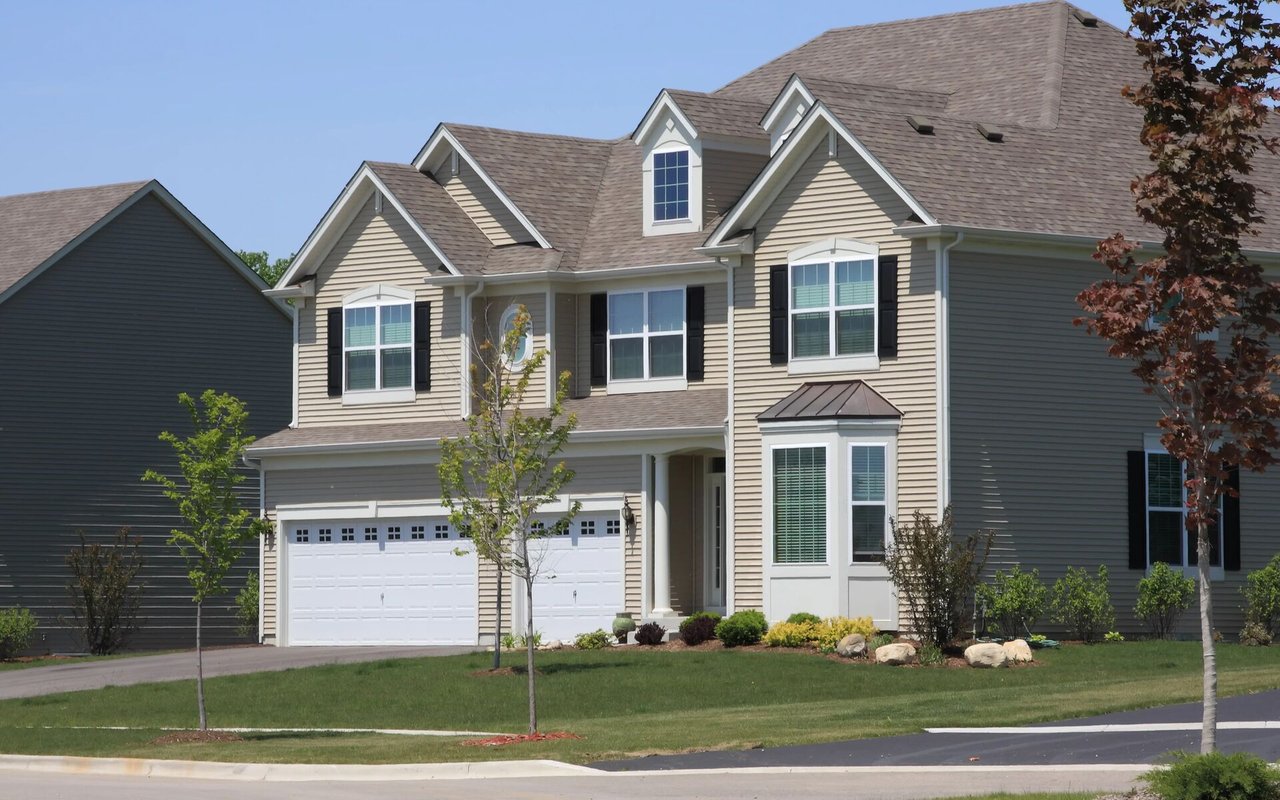
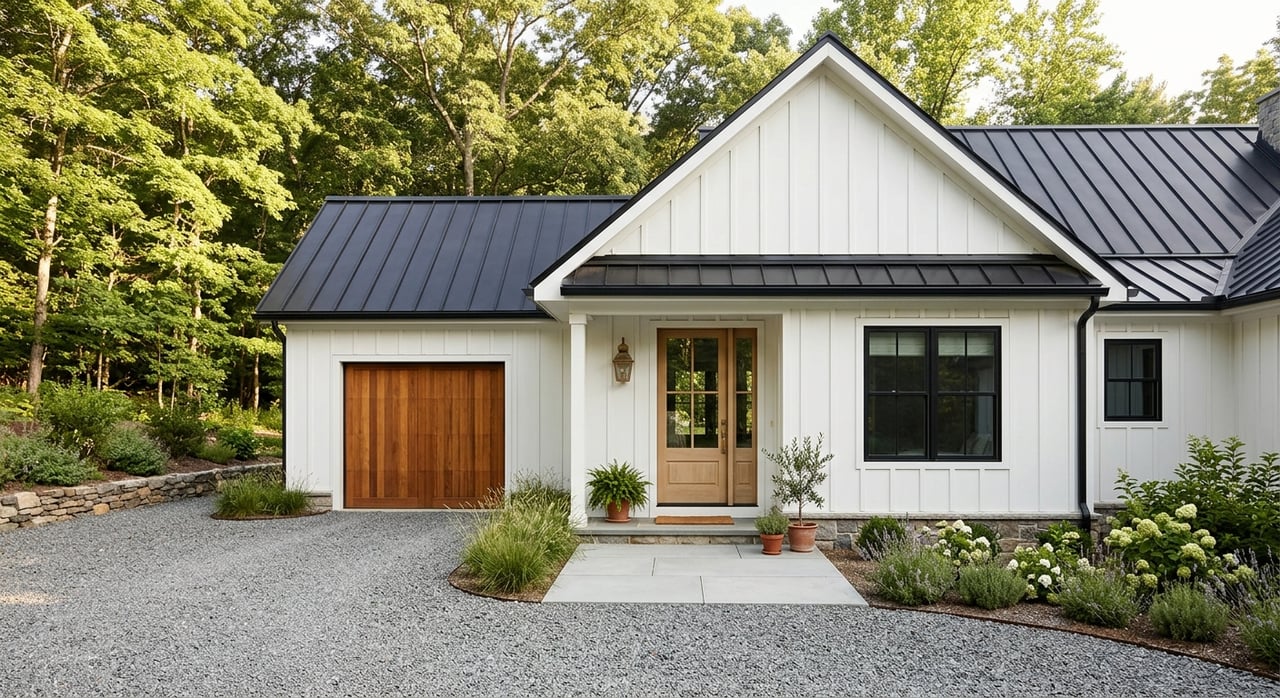
That does not mean the county is all one type of property. The same planning documents identify a mix that includes rural parcels, planned developments, manufactured-home parks, and low- to medium-density residential areas. On the ground, the county community profile points to places like Lake Caroline, Lake Land’Or, condominiums, townhomes, and farm homes, so buyers have more than one path depending on budget, lifestyle, and space needs.
For a quick snapshot of the housing picture, the latest Census profile shows:
- 82.3% owner-occupied housing
- $307,700 median owner-occupied home value
- $1,293 median gross rent
- 93.9% of households with a computer
- 86.3% of households with a broadband subscription
Those figures from the Census Bureau QuickFacts help show that while Caroline feels rural, it also supports practical modern living, including work-from-home needs for many households.
What Country Living Looks Like Day to Day
In Caroline County, daily life tends to revolve around small hubs rather than one dense downtown. That setup can appeal to buyers who prefer a slower pace, less traffic close to home, and a more spread-out pattern of services.
The county library system reflects that layout. According to the Caroline County library page, the system serves this rural county with multiple branches, including locations in Bowling Green, Dawn, and Ladysmith. That kind of setup tells you a lot about how the county functions: services are available, but they are distributed across the area.
Outdoor access is another practical part of life here. Caroline maintains parks and trails such as Bowling Green Walkabout, Robert Farmer Park, Caroline Woodland Trail, and the Caroline County Skate Board Park, while the county community profile also highlights the Rappahannock and Mattaponi Rivers for boating and fishing, along with Port Royal rentals for canoeing and kayaking.
Seasonal local markets add to that small-town rhythm. The county lists the Bowling Green Community Farmers Market and the Rt. 639 Farmers Market at the Ladysmith Community Center, which gives residents another way to connect with local produce and community events during the warmer months.
How the Commute Works in Caroline County
The other half of the story is access. Caroline County is not mostly a live-work-same-neighborhood market. Instead, it works for many residents because it connects into a larger regional commute pattern.
The Census QuickFacts profile lists a mean travel time to work of 37.2 minutes, which supports the idea that many residents commute beyond their immediate area. If you are considering a move here, that number is useful context. You may gain space and a more rural setting, but you should plan around a commute that is often regional and car-based.
Road access is a big reason Caroline works for that lifestyle. VDOT identifies Route 207 at exit 104 and Route 639 at exit 110 in Caroline County, and state planning for the Route 301 and Route 207 corridors describes them as important alternate routes during I-95 construction and viable commuter choices toward the Washington, D.C. area from the Fredericksburg region.
There has also been a recent infrastructure improvement around one of the county’s key access points. A VDOT project completed the widening of Ladysmith Road to four lanes between I-95 and Route 1 in spring 2024, improving access around the exit 110 corridor. For buyers comparing locations, that matters because road function near major interchanges can affect the ease of day-to-day travel.
Park-and-Ride and Rail Options
While most commuting from Caroline starts with a car, that is not the whole picture. Shared-ride and rail options can also be part of the routine, especially if you are trying to limit how far you drive all the way into a larger employment center.
GWRideConnect includes Caroline County in its service area and lists commuter-lot options such as the Carmel Church Park and Ride lot and a Ladysmith professional-building parking location. The organization explains that park-and-ride lots can connect commuters to carpool, vanpool, bus, train, bike, or walking options.
For rail commuters, the regional network matters. The research report notes that VRE serves riders on the Fredericksburg line traveling to Alexandria, Crystal City, and downtown Washington, D.C., while Amtrak offers access to Richmond Main Street and Staples Mill Road stations. Caroline County also lists taxi pickup in Bowling Green, Carmel Church, Ladysmith, and the northern area of the county, which adds another layer of practical mobility for some households.
In simple terms, the commute setup is usually this: drive locally first, then connect regionally if needed. That is different from walkable urban living, but for many buyers, it is a workable trade-off for acreage, privacy, or a more relaxed home setting.
Is Caroline County Right for You?
Caroline County can make sense if you want a home life that feels more rural than suburban but still need to stay connected to jobs, services, and regional transportation routes. It may especially appeal to buyers who value land, lower-density surroundings, or housing options that range from planned communities to farm homes and larger parcels.
It is also worth understanding what rural property can involve. In markets like Caroline, details such as access, easements, surveys, and land-use context can matter a lot, especially if you are looking beyond a standard neighborhood resale. That is where local market knowledge and careful due diligence become especially important.
Key Takeaways for Buyers
If you are weighing a move to Caroline County, here are the big points to keep in mind:
- You get a rural setting: More than 80% of the county is designated for agricultural or rural preservation.
- Housing is varied: Options include planned neighborhoods, townhomes, condos, farm homes, and rural parcels.
- Commuting is regional: The average commute is 37.2 minutes, and many residents rely on I-95 connections and regional corridors.
- Daily life is spread out: Services, libraries, parks, and markets are available across several local hubs.
- Outdoor living is part of the appeal: Rivers, trails, parks, and seasonal markets support a quieter pace of life.
If that mix sounds like the lifestyle you want, Caroline County may offer the balance you have been looking for.
Whether you are searching for a home with land, comparing rural neighborhoods, or trying to understand how a Caroline County commute would fit your routine, working with someone who understands both residential homes and acreage can make the process much smoother. If you want thoughtful guidance on buying or selling in Caroline County and surrounding central Virginia markets, connect with Brian Walinski.
FAQs
What is daily life like in Caroline County for homebuyers considering a rural move?
- Caroline County offers a low-density, rural setting with services spread across small hubs, plus access to local parks, trails, libraries, farmers markets, and river recreation.
What are housing options like in Caroline County for buyers?
- Housing options in Caroline County include planned neighborhoods, condominiums, townhomes, farm homes, manufactured-home parks, and rural parcels, based on county planning and community-profile information.
What is the average commute time from Caroline County?
- The U.S. Census Bureau reports a mean travel time to work of 37.2 minutes for Caroline County.
What transportation options support commuting from Caroline County?
- Most commuting is car-based, but Caroline County also has park-and-ride options through GWRideConnect, plus regional access to VRE and Amtrak through nearby connections.
Why do some buyers choose Caroline County over more suburban areas?
- Some buyers are drawn to Caroline County because it offers more open space, a rural land-use pattern, varied housing types, and workable access to regional job centers through major road corridors.