Thinking about a smaller home but not ready to leave Hanover County? You are not alone. Many local homeowners want less upkeep, easier daily living, and a home that fits this next season without giving up the area they already know. The good news is that downsizing in Hanover can be realistic if you understand your options, timing, and costs before you make a move. Let’s dive in.
Why downsizing matters in Hanover County
Hanover County has a strong base of long-time homeowners, and that shapes the downsizing conversation. Census QuickFacts estimates 82.1% owner occupancy in the county, with 20.2% of residents age 65 and older. That means many households are now weighing whether their current home still matches their needs.
The county’s own planning documents point to the same trend. Hanover reports that senior households have grown 36% since 2010, and roughly 70% of local housing was built before 2000. As needs change, many homeowners start looking for lower-maintenance, one-level, or more accessible homes that still let them stay close to familiar routines.
What downsizing can look like locally
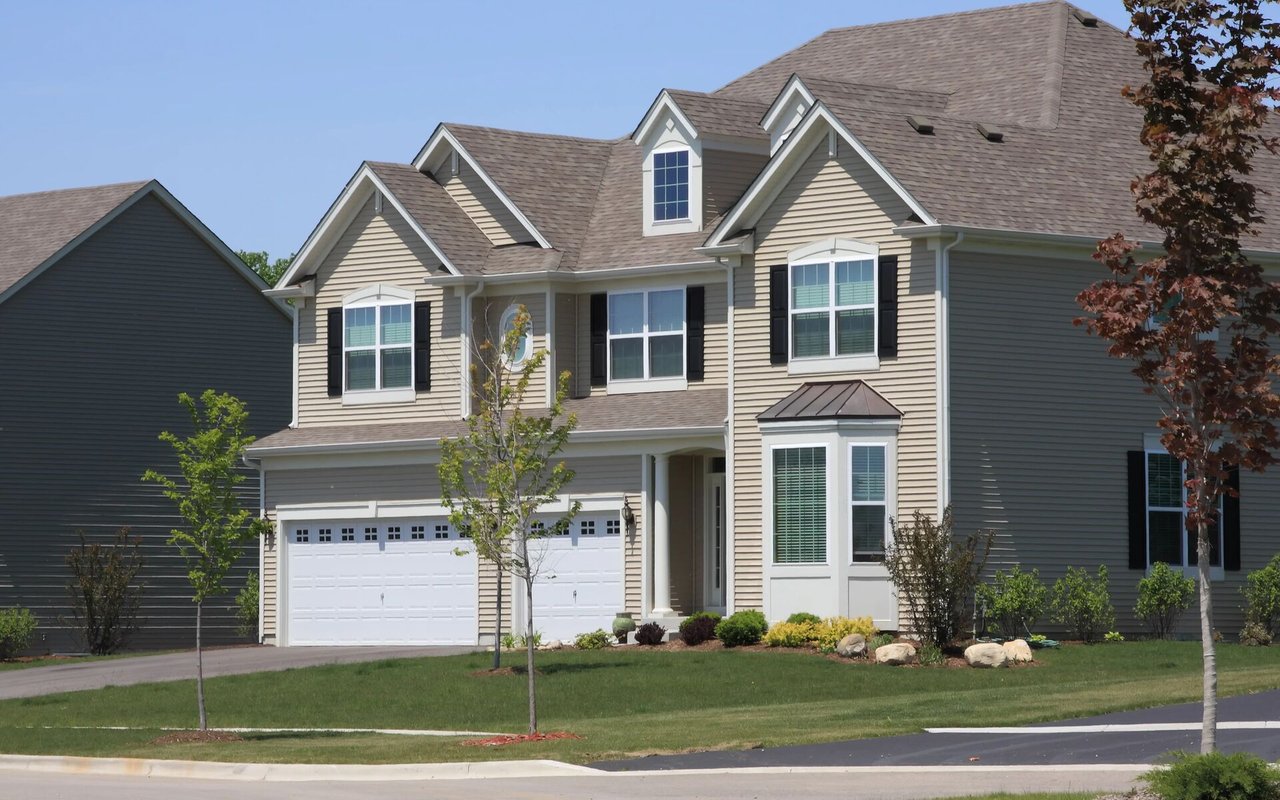
If you picture downsizing as moving from a large home into a smaller detached house, that is still the most common path in Hanover. The county says detached single-family homes make up 87.6% of the housing stock. So in many cases, staying local means finding a more manageable version of the home style you already know.
At the same time, there are some lower-maintenance alternatives in the market. Hanover reports that townhouses and condominiums make up 4.4% of housing units, while multifamily homes make up 7.0%. Those options do exist, but they are a much smaller share of the county’s housing supply, which can make your search narrower.
That smaller supply matters when you begin planning. If your goal is a one-level home, a compact lot, or less exterior upkeep, it often helps to define your must-haves early and be ready when the right property appears.
Ashland offers a different in-county option
For some downsizers, Ashland stands out because it offers a more compact, in-town setting. The town describes itself as a seven-square-mile community with more than 7,000 residents, along with residential neighborhoods, parks, trails, and a historic district. For buyers who want a smaller footprint and a more connected day-to-day layout, that can be appealing.
Still, it is important to compare the full cost picture and not just the style of home. Ashland residents pay both Hanover County taxes and town taxes. So while a smaller home in town may reduce maintenance, it does not automatically mean your total tax bill will drop as much as you expect.
The Hanover market leaves little room to wait
Downsizing is not just about choosing a smaller house. It is also about getting the timing right. Recent market data points to Hanover as a relatively fast-moving market in the mid-$400,000s, with Zillow showing homes going pending in about 6 days and Redfin reporting a median 16 days on market in May 2026.
Those numbers come from different methodologies, so they are not directly interchangeable. Still, they point in the same direction: homes can move quickly. If you need sale proceeds from your current home to buy the next one, a delayed plan can create stress fast.
This is one reason early planning matters so much. In a quick market, you may not have the luxury of deciding everything after your current home hits the market.
Selling and buying in the right order
One of the biggest downsizing questions is simple: should you sell first or buy first? The right answer depends on your finances, your flexibility, and how much overlap you can handle between homes. In Hanover’s pace, that decision deserves careful planning upfront.
Common contract tools can help coordinate the move. Consumer guidance on contingencies notes options such as home-sale contingencies, home-close contingencies, continue-to-show clauses, kick-out clauses, and rent-back clauses. These tools can help you line up both sides of the move, but they need to be negotiated carefully.
For example, a rent-back clause may give you extra time in your current home after closing. A home-close contingency may help if your next purchase depends on another closing happening first. The main point is that the sequence matters, especially when the local market moves fast.
What usually changes when you downsize
Many homeowners expect a smaller home to mean a lower cost of ownership. That can happen, but it is smart to look at each cost separately. Home price, taxes, utilities, repairs, and lot maintenance do not always move in the same direction.
In Hanover County, the real estate tax rate is $0.81 per $100 of assessed value. Using the county’s own example, a home assessed at $400,000 would have about $3,240 in county real estate tax before any relief. Since assessments are based on fair market value, home size, age, condition, location, improvements, construction costs, and broader market trends, your tax outcome depends on more than square footage alone.
If you are comparing homes in Ashland, add the town layer too. Ashland’s real estate tax rate is $0.10 per $100 of assessed value, and town residents also pay Hanover County taxes. That means an in-town move should be evaluated on the full tax bill, not just the list price or county tax rate.
Tax relief may help some owners
If you are 65 or older, or totally and permanently disabled, Hanover offers real estate tax relief for qualifying homeowners. According to the county, the program applies to the home and up to 10 acres, with a maximum annual relief amount of $3,500. Applications are filed each year and are due March 1.
The county also lists eligibility limits of $60,000 in gross combined income and $400,000 in net worth, excluding the house and up to 10 acres. For some homeowners, that can make the difference between staying put longer and moving sooner. It is worth reviewing early if tax savings are part of your downsizing plan.
Hanover also notes that eligible homeowners may receive a county water and sewer fee reduction. That can matter when you are comparing different property types, especially if lower monthly carrying costs are part of your goal.
Downsizing from acreage takes extra planning
In Hanover, downsizing is not always just about square footage. Sometimes it means moving off a larger parcel with open land, agricultural use, or outbuildings. In those cases, the decision often includes taxes, maintenance, and property-specific due diligence.
The county’s land-use assessment program taxes qualifying agricultural, horticultural, forestry, and open-space land based on current use rather than market value. If you are leaving acreage behind, that can affect how you compare your current property to a smaller lot or more traditional residential setting. This is where a clear side-by-side review of ownership costs becomes especially important.
Features that support long-term comfort
A smaller home works best when it fits both your life now and your likely needs later. If your goal is to stay in Hanover for the long run, look beyond bedroom count and focus on how the home functions day to day. Accessibility and ease of use can matter just as much as square footage.
Helpful features often include:
- A walk-in shower
- Grab bars near the shower and toilet
- Lever-style faucets and door handles
- Improved lighting
- Wider doors
- A first-floor bedroom if stairs are difficult
- At least one no-step entry
These features can make a home easier to live in over time. Even if a property is not perfect on day one, it may still be a strong downsizing option if it can be updated in practical ways.
Local services can make staying easier
A smart downsizing plan is not only about the house itself. It is also about whether your day-to-day life will still work comfortably after the move. Hanover has local support services that can help older residents remain in the county.
The county’s senior services information includes Hanover DASH, which provides specialized transportation for residents 65 and older or those with a disability for $5 per one-way trip. Hanover also lists Hanover Senior Rides, The Span Center for coordination and referrals, and safety-focused programs such as TRIAD and Adopt a Senior. For many residents, those services make staying local feel more practical and less uncertain.
How to prepare before you list
Downsizing usually goes more smoothly when you make decisions before the market forces them. A clear plan can help you avoid rushed choices and narrow your search to homes that truly fit your next stage.
Start with a simple checklist:
- Decide what you want less of: stairs, yard work, extra rooms, long driveways, or acreage upkeep
- Decide what you still need: one-level living, guest space, storage, garage space, or proximity to daily services
- Review your current tax bill and estimate the full cost of your next home
- Consider whether timing requires a contingency or rent-back strategy
- Identify which updates or accessibility features matter most
- Be realistic about inventory if you want an attached or low-maintenance home in Hanover
This kind of planning helps you move with confidence instead of reacting under pressure.
A local downsizing plan works best
Downsizing without leaving Hanover County is possible, but it usually takes more strategy than people expect. Inventory can be narrower for low-maintenance options, taxes are not always as simple as “smaller home, lower bill,” and timing matters in a fast market. The best moves tend to come from matching your housing goals with local facts, not assumptions.
If you want a practical plan for selling your current home and finding the right fit in Hanover, Brian Walinski can help you map out the details with clear advice and hands-on support.
FAQs
Is downsizing in Hanover County realistic without moving away?
- Yes. Hanover’s housing stock is dominated by detached homes, but smaller detached houses, some townhomes, condos, multifamily options, and in-town choices like Ashland can provide ways to stay in the county.
Will my taxes automatically drop if I buy a smaller home in Hanover County?
- Not automatically. Hanover taxes are based on assessed value, and Ashland buyers also need to factor in the additional town real estate tax.
Are low-maintenance homes common in Hanover County?
- They exist, but they are a smaller part of the local housing supply. Hanover reports that townhouses and condominiums make up 4.4% of housing units, while multifamily homes make up 7.0%.
What should older homeowners know about Hanover County tax relief?
- Hanover offers real estate tax relief for qualifying homeowners who are 65 or older, or totally and permanently disabled, subject to county income and net-worth requirements and annual application deadlines.
Why is timing so important when downsizing in Hanover County?
- Recent market data suggests Hanover homes can move quickly, so homeowners who need sale proceeds for their next purchase often benefit from coordinating both transactions early.
What home features matter most for aging in place in Hanover County?
- Common features include a walk-in shower, grab bars, lever-style handles, better lighting, wider doors, a first-floor bedroom when needed, and at least one no-step entry.