Looking for room to ride, garden, keep animals, or simply spread out without losing access to Richmond? Goochland County stands out because it offers a genuinely rural setting within the Richmond metro area, with planning policies that continue to support agricultural and equestrian uses. If you are exploring horse property or a small farm lifestyle, this guide will help you understand what makes Goochland appealing, what to watch for before you buy, and how to judge a property beyond the acreage number alone. Let’s dive in.
Why Goochland Fits Rural Living
Goochland County is about 15 miles west of Richmond and remains part of the Richmond metropolitan area. That combination matters if you want a property with open land while still staying connected to work, services, and daily travel routes.
The county has also made a clear policy choice to preserve its rural character. According to the county’s 2035 plan, about 85.29% of Goochland is in the Rural Enhancement Area, and these areas are not planned for public or central utilities. Nearly 90% of the county is zoned A-1 or A-2, which helps explain why multi-acre properties remain a defining part of the local landscape.
For equestrian buyers in particular, Goochland has an established identity. County planning materials identify the Deep Run Hunt Country Community in eastern Goochland as an equestrian area with large-lot homes, horse farms, equestrian trails, and equestrian schools.
What the Land Looks Like in Goochland
If you picture Goochland as a mix of pasture and woods, the numbers support that view. The USDA’s 2022 Census of Agriculture counted 268 farms in the county covering 40,711 acres, with an average farm size of 152 acres.
That same report counted 431 horses and ponies in Goochland County. It also found that 31% of land in farms is pastureland and 47% is woodland, which helps explain why so many properties combine open fields with wooded privacy.
For you as a buyer, that means a “farm” listing may not be all open ground. Some parcels offer ready-made pasture, while others may give you a blend of cleared area, tree cover, and long-term flexibility.
What Buyers Usually Find on the Market
Recent public listing activity suggests that Goochland’s hobby-farm market is usually measured in acres, not just oversized residential lots. Public land listings have included parcels around 2.26, 3.89, 5.007, 9.94, 10.16, 12.5, 12.96, and 21.19 acres, along with much larger tracts such as 33.48, 56.6, 78.77, and 95 acres.
That range is important because it shows there is no single “correct” size for a Goochland hobby farm. A smaller parcel may work well for gardens, outbuildings, and a limited animal setup, while a larger tract may better suit pasture rotation, trail riding, or a broader agricultural use.
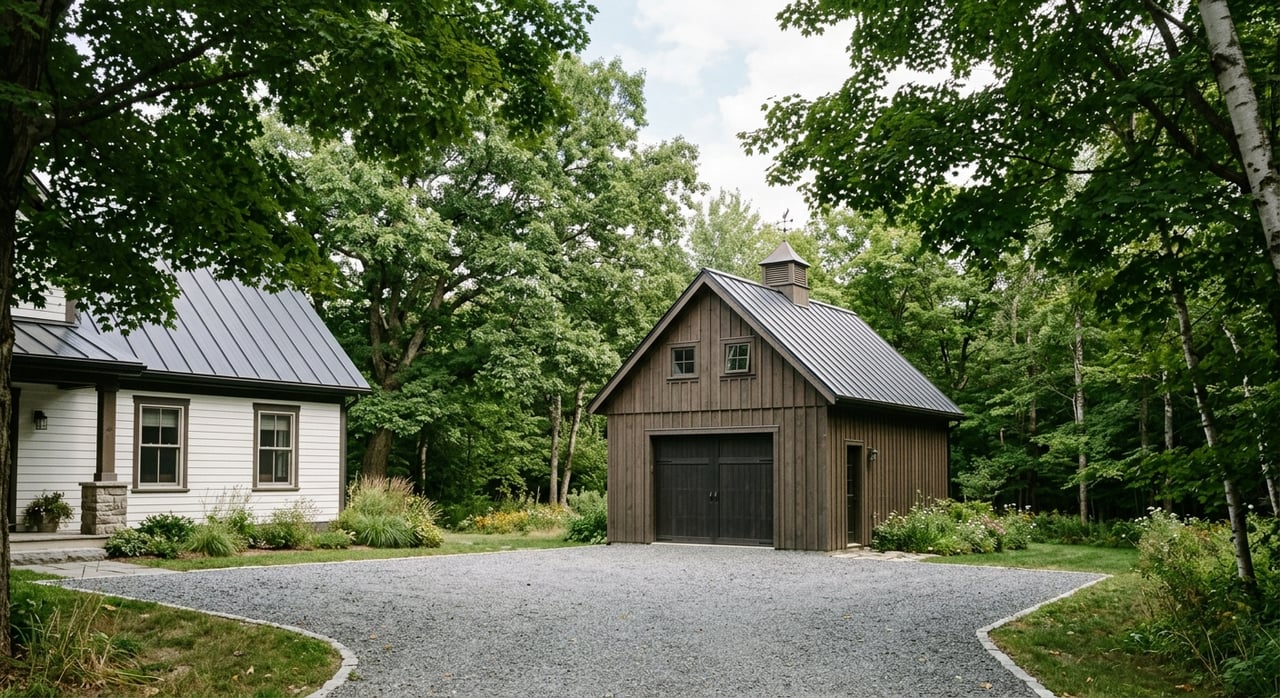
Features matter just as much as size. Current examples have included barns, garages, livestock pens, wood fencing, ponds, detached garages, fenced areas, generators, unpaved driveways, and cleared acreage described as suitable for pasture, crops, or equestrian use.
Why Zoning Should Shape Your Search
Before you fall in love with a property, zoning needs to be part of the conversation. In Goochland, A-1 is intended for agricultural and forestal uses plus rural by-right residential development with a 2-acre minimum lot size. A-2 also allows agricultural and forestal uses and has a 2-acre minimum lot size for rural residential development.
There are also properties in the R-R district where limited agricultural uses may be allowed on lots of 10 acres or more. The ordinance also states that large and small animals must be kept within fences or other enclosed areas.
This is one reason broad online listing language can be misleading. A property may feel rural and still have limits on how you plan to use it, so it is worth confirming the zoning district and matching it to your real goals before you make an offer.
Land-Use Tax Relief Is Not Automatic
Many buyers assume that owning acreage automatically means lower land-use taxes. In Goochland, that is not how the program works.
The county states that agricultural land-use relief requires the land to be in production for sale, zoned agricultural, and meeting minimum acreage thresholds. The application form shows a 5-acre minimum for agriculture use-value taxation, excluding a 1-acre house site.
Horse buyers should pay especially close attention here. Goochland states that pleasure horses do not qualify, while horses used for breeding, training, boarding, or related agricultural purposes can. If tax treatment is part of your budget planning, you want to verify eligibility early rather than assume the current setup or your future plans will qualify.
Farm Buildings Have Different Rules
One of the biggest surprises in rural transactions is that not every barn, shed, or outbuilding is treated the same. Goochland’s zoning-compliance process explains that qualifying farm buildings may be exempt from the Virginia Uniform Statewide Building Code only after zoning approval and a farm-use affidavit are submitted.
That is very different from assuming any detached structure counts as a farm building. The county also notes that ordinary residential accessory structures over 256 square feet require a building permit.
Placement matters too. Detached accessory buildings cannot be placed on easements or septic drainfields. If you are planning a barn, run-in shed, workshop, or equipment building, you need enough usable area to place it correctly.
Septic, Wells, and Layout Matter Daily
In rural property, the hidden systems often shape daily life more than the house itself. Goochland’s Health Department approves permits for wells and septic systems, and the county’s zoning-compliance materials make clear that accessory buildings cannot go on drainfields or other septic components.
That means you should verify more than whether a home simply has a well and septic. You also want to know the well location, drainfield location, and whether the property still has practical space for fencing, paddocks, turnout areas, equipment access, and future outbuildings.
A parcel can look spacious on paper and still have layout constraints. That is why usable acreage often matters more than gross acreage.
Access Can Make or Break a Property
Long driveways and country road frontage can be appealing, but access deserves careful review. Goochland’s Transportation Department serves as the liaison to VDOT, and VDOT requires a land-use permit for private entrances on state right-of-way, including entrances used for agricultural access to fields.
This can affect more than new construction. It can also matter if you plan to change an existing entrance, add a field entrance, or improve the way trailers, tractors, or service vehicles move in and out.
For horse and hobby-farm buyers, access is not just about curb appeal. It is about whether the property works for trucks, trailers, feed deliveries, equipment, and day-to-day use.
Drainage and Floodplain Need a Hard Look
The prettiest part of a property is not always the best place for improvements. Goochland encourages riparian buffers along streams and wetlands, and the county limits 100-year floodplain uses to agriculture, passive recreation, and open space.
That can still be useful land, especially for certain pasture uses. But low or wet sections are not automatically ideal for barns, stalls, feed storage, or high-traffic animal areas.
When you walk a property, pay attention to where water moves and where the ground stays firm. A smart layout can make chores easier, protect animal health, and reduce future expense.
Horse Property Is More Than Acreage
If you are shopping for horses, the best property is not always the one with the highest acre count. Virginia Cooperative Extension equine programming highlights practical issues such as soil testing, weed management, rotational grazing, dry lots, and track-system concepts.
NRCS also identifies fencing, watering facilities, shelters, and walkways as standard pasture-management tools. In simple terms, that means the property needs to function as a system, not just as open ground.
A smaller, well-laid-out property with fencing, drainage, water access, and sensible movement patterns may serve you better than a larger tract with poor infrastructure. That is why experienced land due diligence matters so much in Goochland.
What to Evaluate Before You Offer
When you are comparing properties, it helps to use a practical checklist instead of focusing only on the listing photos. A strong first-pass review should include:
- Zoning district and permitted uses
- Actual usable acreage versus total acreage
- Pasture quality and wooded-to-open-land balance
- Existing fencing, barns, sheds, and pens
- Well and septic locations
- Room for future buildings without conflicting with easements or drainfields
- Driveway condition and vehicle access
- Potential entrance or field-access permit needs
- Wet areas, stream buffers, and floodplain limits
- Whether land-use tax treatment applies or could apply
This kind of review can save you from buying a property that looks right but does not fit your long-term plans. In acreage purchases, the details often matter more than the first impression.
Why Local Guidance Helps in Goochland
Equestrian and hobby-farm properties ask more of you than a standard neighborhood home search. You are not just evaluating bedrooms and finishes. You are also weighing surveys, easements, entrances, outbuilding placement, infrastructure, and whether the land truly supports the way you want to live.
That is where working with someone who understands land-specific due diligence can make a real difference. In a market like Goochland County, careful review upfront can help you avoid expensive surprises later and move forward with more confidence.
If you are thinking about buying or selling equestrian property or a hobby farm in Goochland County, Brian Walinski offers hands-on guidance backed by practical land and acreage experience throughout the Richmond area.
FAQs
What makes Goochland County appealing for equestrian living?
- Goochland combines a rural land-use framework, a large amount of agricultural zoning, an established equestrian area in eastern Goochland, and close access to the Richmond metro area.
What zoning should you check for a Goochland hobby farm?
- You should confirm whether the property is in A-1, A-2, or another district, then compare that zoning with your intended uses, animal plans, and any future outbuildings.
Do pleasure horses qualify for land-use tax relief in Goochland County?
- No. Goochland states that pleasure horses do not qualify, while horses used for breeding, training, boarding, or related agricultural purposes may qualify if other program requirements are met.
How much land do you need for a hobby farm in Goochland County?
- The answer depends on your goals, but current market examples show that many Goochland properties are multi-acre parcels ranging from smaller 2- to 5-acre tracts to much larger farm acreage.
What should you verify about wells and septic on a Goochland horse property?
- You should verify the well and drainfield locations and make sure there is enough usable space for barns, paddocks, sheds, and access routes without conflicting with septic components or setbacks.
Why does property access matter for Goochland farm buyers?
- Access affects trailers, tractors, deliveries, and daily movement, and VDOT requires a land-use permit for private entrances on state right-of-way, including entrances used for agricultural access.