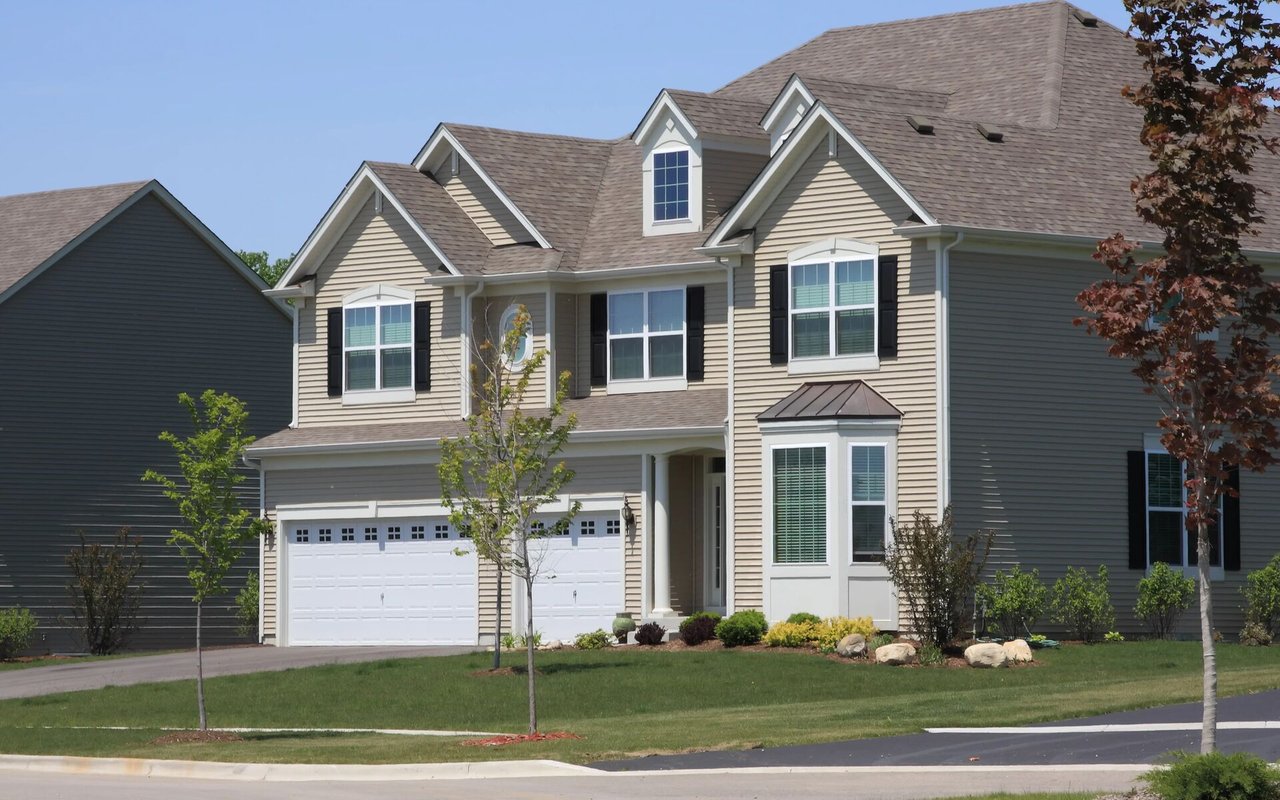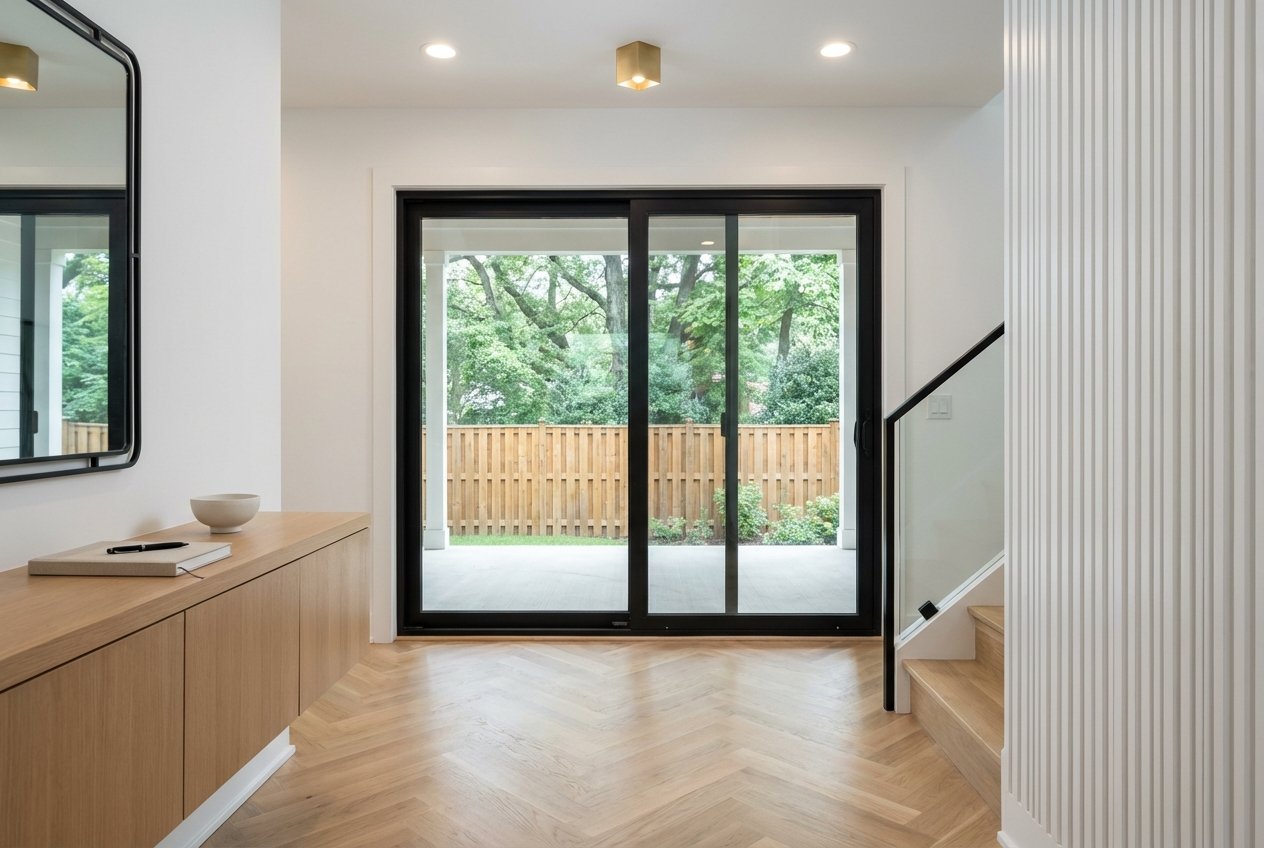
Want top dollar for your Henrico County home? Price is the lever that decides how fast you attract buyers and how strong your offers are. If you set it too high, you risk sitting on the market and chasing buyers later. Set it right, and you create urgency, clean terms, and a smoother path to closing. In this guide, you’ll learn how Henrico sellers and local agents build a winning list price, what data matters most, and the practical steps you can take to support it. Let’s dive in.
Know Henrico’s market basics
Henrico County pricing sits near the upper 300s overall, with recent reporting placing the typical sale in the roughly $395,000 to $400,000 range. That broad snapshot is helpful, but your exact price depends on your micro‑location and features. The best way to pinpoint value for your property is a Comparative Market Analysis (CMA) tailored to your home and neighborhood.
Local agents use the Central Virginia Regional MLS (CVR MLS) to analyze closed sales, current competition, and pendings. If you want a property‑specific read of value, ask your agent to walk you through how CVR MLS data shapes your price band. You can learn more about the MLS footprint in the region from a public overview of CVR MLS coverage.
County policy can also influence demand and affordability. Henrico’s FY‑2025 budget included a real‑estate tax rate adjustment to $0.83 per $100 of assessed value, part of a broader tax relief effort that can affect how buyers evaluate monthly costs. You can review those updates in the county’s official budget news.
How agents set your price
What a CMA includes
A CMA is the industry‑standard foundation for pricing. Your agent selects recent closed sales, active listings, pendings, and expireds that closely mirror your home’s size, layout, condition, and location. They then make line‑item adjustments to reflect differences in square footage, beds and baths, lot size, updates, and more. The National Association of Realtors explains these inputs in their consumer guide to pricing.
Recent comps and micro‑location
Time frame and distance matter. Most CMAs focus on sales from the past 3 to 6 months and stay as close as possible to your immediate neighborhood since older or distant sales can mislead. In Henrico, micro‑locations create meaningful spread in value. Things like commute corridors, proximity to commercial hubs, and street position (corner lot, cul‑de‑sac, or a busier road) can shift your competitive set and the adjustments your agent recommends.
CMA vs. appraisal vs. online estimate
Each tool serves a different purpose:
- CMA: an agent’s pricing recommendation designed to position your home in the market and drive buyer activity.
- Appraisal: a lender‑oriented valuation to support a mortgage, performed at a point in time using approved methods.
- AVMs: automated valuations like online estimates can be useful for a rough check, but they often miss unpermitted updates, interior condition, and block‑level trends. Industry filings show AVM accuracy improves when a home is on the market but is less reliable when a home is off‑market. For context, review Zillow’s AVM discussion in its SEC filing.
Smart pricing strategies in Henrico
Set goals: speed or maximum proceeds
Your pricing strategy should match your goals. If speed matters most, a competitive price near the lower end of your CMA range can boost showings and offers. If you have time and want to maximize gross proceeds, listing near the top of a well‑supported range can work, so long as marketing is strong and early feedback is positive. Your agent should present the range and talk through trade‑offs.
Price bands and search filters
Most buyers search in price brackets. Listing at a number that captures a wider group of searches can increase exposure. For example, pricing just under a common filter can surface your home in more saved searches. Ask your agent to model how your options affect the pool of buyers who will see your listing.
Win the first two weeks
The first one to two weeks are your “freshness” window when new‑listing alerts and agent previews drive the most attention. Use that window well with the right price and strong presentation. If showings or feedback are soft during this period, a calibrated, single price repositioning or a clear marketing update is often better than multiple small reductions that can make a listing feel stale.
Seller actions that support your price
Prepare documents buyers value
Appraisers and buyers respond to facts. Help your agent justify value by collecting permits, receipts, and warranties for major work like roofs, HVAC, kitchens, or baths. Organized documentation lets your agent reflect upgrades accurately in the CMA and helps an appraiser validate adjustments. The NAR guide notes documentation as a key input for pricing your home well.
If your home belongs to an HOA, order the resale or disclosure packet early. These documents are common in Virginia and can take time to produce, which may delay contracts if left to the last minute. Learn what is typically required from this overview of Virginia HOA disclosure packages.
Consider a pre‑listing inspection
A seller‑ordered pre‑listing inspection helps you find issues on your timeline. You can choose to repair, disclose, or price accordingly, which reduces surprises and can build buyer confidence when you share the report. Many inspectors recommend this as a cost‑effective risk‑management step. See a sample scope of work from a regional provider’s pre‑listing inspection overview.
Prioritize high‑ROI updates
Not all updates pay back equally at resale. National benchmarks show exterior projects and modest interior refreshes often recoup the most. Examples include garage‑door replacement, a steel entry door, manufactured stone veneer, fiber‑cement siding, and a minor midrange kitchen remodel. Review the annual Cost vs. Value findings to prioritize budget with data, starting with the 2025 report summary. Local results vary, so ask your agent which projects buyers in your price band value most.
Stage and market to your price point
Presentation supports price. Staging key rooms, hiring pro photography, and offering video or virtual tours can increase engagement and shorten time on market. NAR’s 2025 profile reports that many agents saw staged homes sell faster and for more. Learn more from NAR’s staging report summary. Focus first on the living room, kitchen, and primary bedroom.
Tackle high‑risk items early
Safety issues, active leaks, major electrical problems, or foundation concerns often trigger renegotiations. If your pre‑listing inspection flags any of these, decide whether to repair now or reflect the condition in your price and disclosures. Handling them on your timeline helps you keep negotiating leverage and protect your net.
Correct public facts and online data
If public records or online portals show the wrong square footage, bed/bath count, or miss documented upgrades, fix it. Better data supports a stronger CMA and reduces confusion when buyers compare your home. Automated valuations can adjust when data improves, but they are not a substitute for a local CMA backed by on‑the‑ground comps.
Build your pricing game plan
Use this simple plan to move from estimate to confident list price:
- Align on goals. Decide if speed or maximum proceeds is your top priority.
- Get a local CMA. Review 3 to 5 highly relevant comps and understand each adjustment. Ask your agent to explain how CVR MLS data supports your range, including recent pendings and actives.
- Stress‑test your number. Consider buyer search filters and your micro‑location. Model how small price changes affect your exposure.
- Prepare the property. Complete high‑ROI updates, tackle must‑do repairs, stage key rooms, and invest in pro photos/video.
- Launch strong. Price confidently within your CMA range, monitor showings and feedback in the first two weeks, and be ready to make one thoughtful adjustment if needed.
Quick seller checklist
- Permits, warranties, and receipts for major upgrades and repairs.
- HOA resale/disclosure packet or contact info to order it early.
- Decision on a pre‑listing inspection and two repair estimates for any big items.
- A list or photos of recent improvements to highlight in marketing.
- Questions for your agent: the 3 to 5 comps they’re using and why, recommended price and tactic, marketing plan and fees, and how they will measure showings/feedback.
Ready to price with confidence and hit the market strong? Get a local CMA, a clear plan for presentation, and negotiation support tailored to your goals. If you want hands‑on guidance and MLS‑backed exposure across Henrico and the Richmond metro, connect with Brian Walinski to start your pricing strategy and listing plan.
FAQs
How do I set the right price for a Henrico home?
- Start with a local CMA that uses recent sales, pendings, and current competition in your micro‑location, then align the list price with your goals and early‑market feedback.
How does Henrico’s tax rate affect my pricing?
- The county’s real‑estate tax rate influences monthly costs, which can shape buyer affordability and demand; stay aware of updates in county budget news.
Are online home value estimates accurate for Henrico?
- They’re a useful starting point but can miss condition and hyper‑local factors; accuracy improves when a home is listed, as discussed in Zillow’s SEC filing, so rely on a CMA for final pricing.
Should I get a pre‑listing inspection before I price?
- Yes, it often reduces surprises and supports your pricing narrative by letting you repair or disclose issues up front; see a typical scope in this pre‑listing overview.
What updates pay back best before selling in Henrico?
- National data shows exterior improvements and modest interior refreshes tend to recoup the most; compare options in the 2025 Cost vs. Value benchmarks and ask your agent what local buyers prioritize.
What if my listing gets little activity in the first two weeks?
- Review showing data and feedback, refresh marketing if needed, and consider one strategic price repositioning rather than multiple small cuts that can make a listing feel stale.