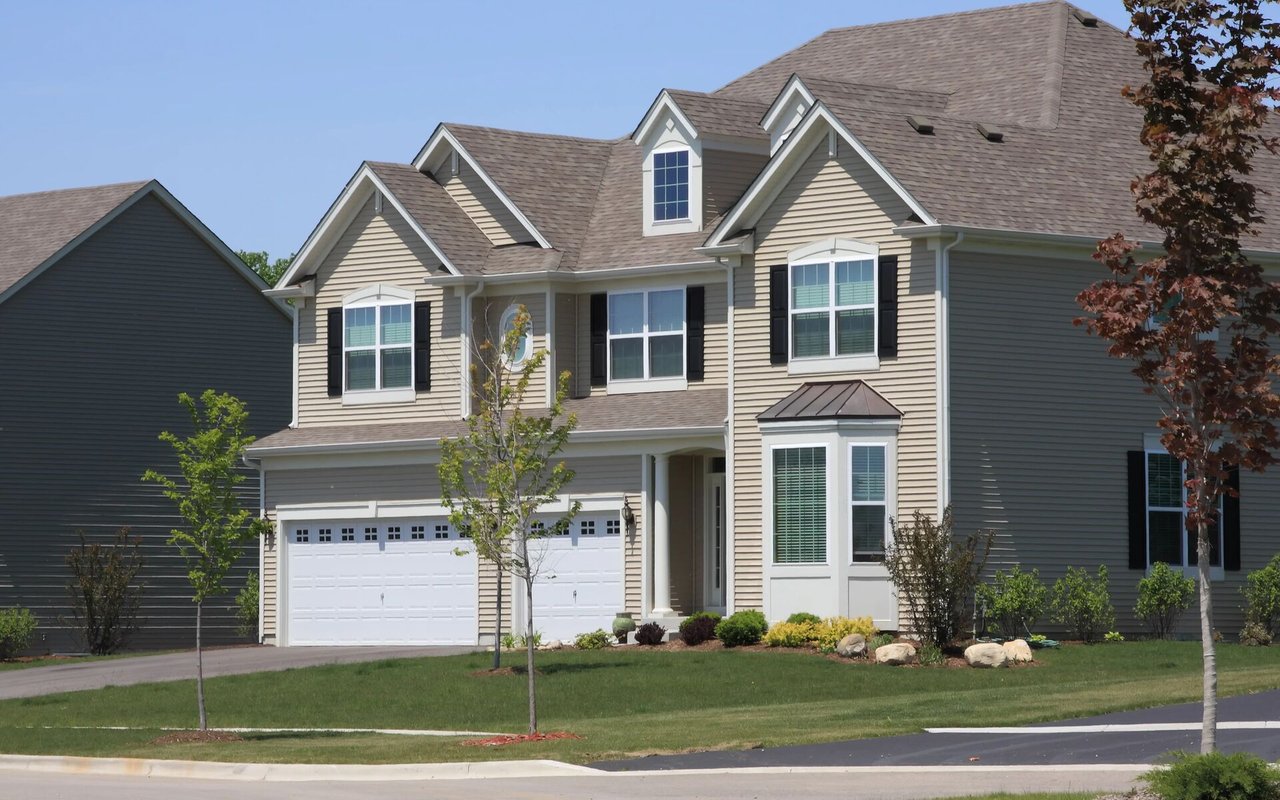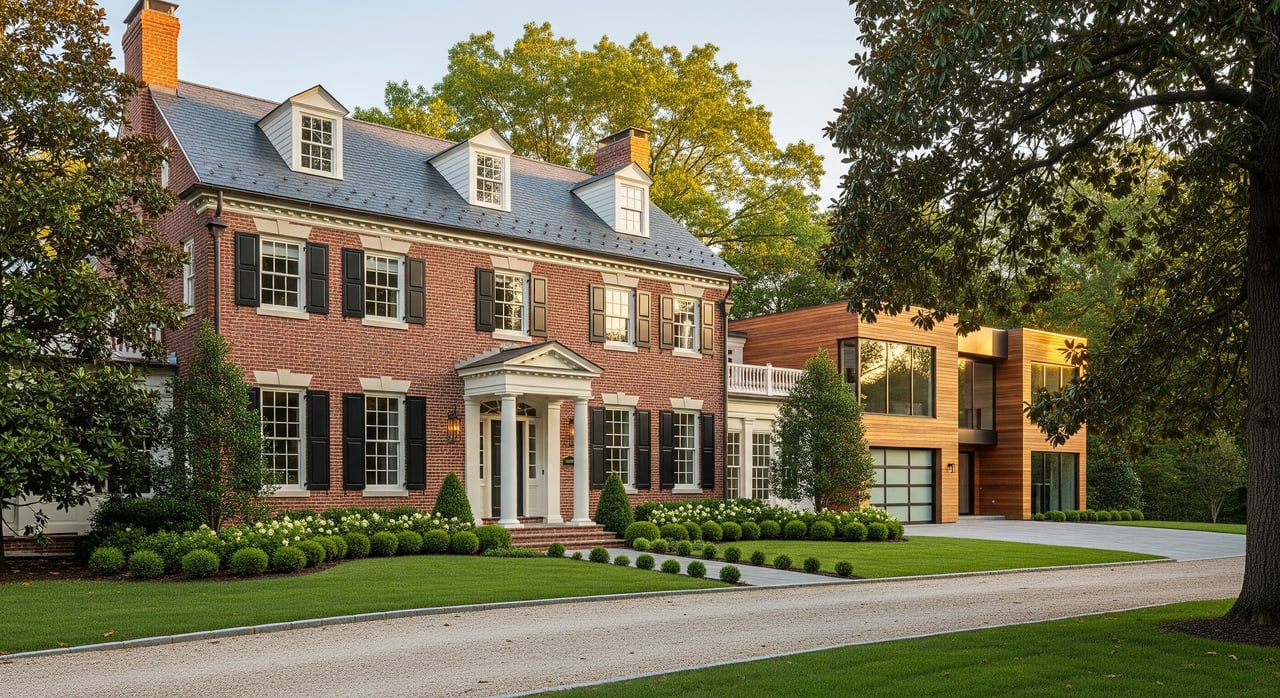
Torn between a sparkling new build and a character-rich resale in Hanover County? You are not alone. Each path changes what you spend, how fast you can move, and how much risk you take on with condition and contracts. This quick, local guide walks you through the real tradeoffs, then gives you a simple framework and checklists so you can choose with confidence. Let’s dive in.
New construction: what to expect
New construction costs and incentives
- Expect a base price plus lot premiums and design upgrades for finishes, kitchens, flooring, and exterior details.
- Price per finished square foot is often higher than comparable resales, but you typically face lower immediate maintenance costs.
- Builders may offer incentives like closing-cost help, rate buydowns, or appliance packages, often tied to using a preferred lender. Always compare offers.
- New builds can carry higher assessed values that affect property taxes. Confirm how assessments work for your specific community.
New construction timeline
- Move-in timing depends on build status. A completed or near-complete spec home can close in weeks to a few months.
- A to-be-built home often runs 4 to 9 months for tract builds, while fully custom builds can take 12 months or more.
- Delays happen due to weather, supply chains, and subcontractor schedules. Builder contracts may list target dates rather than guarantees.
New construction inspections and punch list
- Municipal and builder inspections occur during construction, but you should still hire an independent inspector.
- Consider a pre-drywall inspection to catch installation issues, then a thorough final inspection.
- Use a punch list to document items for the builder to fix before or soon after closing.
New construction warranties
- Many builders follow a common pattern: 1-year workmanship, 2-year mechanical and systems, and 10-year structural coverage.
- Coverage varies by builder and by warranty provider, so verify the exact terms, exclusions, and claim process in writing.
- Warranties do not replace the value of independent inspections.
New construction contracts and contingencies
- Builder purchase agreements are typically builder-drafted and favor the builder.
- Expect limited or no inspection contingencies, strict deposit schedules, and possible arbitration or venue clauses.
- Clarify any occupancy language, allowance schedules, and whether independent inspections are allowed.
New construction lots, HOAs, and amenities
- Lot selection matters. Premiums are common for cul-de-sacs, corner lots, wooded views, or lots backing to open space or water.
- Evaluate grading, drainage, and orientation. Confirm public sewer and water vs well and septic for rural parcels.
- New subdivisions often have stricter HOA covenants. Amenities may be planned years out and funded through assessments, so confirm timelines.
New construction financing and appraisals
- Preferred-lender incentives can be attractive, but compare total costs and rates with outside lenders.
- Appraisals can be challenging if there are few comparable sales in the immediate area.
- VA and FHA loans are common in the region. Verify builder and project approvals if relevant to your loan type.
Resale: what to expect
Resale costs and negotiation
- List price is a starting point. You may be able to negotiate based on days on market and condition.
- Factor in potential renovation or immediate maintenance, such as roof, HVAC, windows, or foundation repairs.
- Established landscaping can reduce initial exterior costs, though mature trees and drainage may need attention.
Resale timeline to closing
- Typical closings run 30 to 60 days, depending on financing and title work.
- Cash or motivated-seller situations can be faster.
- If your purchase depends on selling your current home, plan for a longer timeline.
Resale inspections and condition risk
- Schedule a comprehensive home inspection and add specialty inspections as needed, such as septic, radon, lead paint, or mold.
- Older systems and components may present higher deferred maintenance risk.
- Use the inspection contingency to negotiate repairs or credits.
Resale warranties and protections
- There is no builder warranty on a resale.
- Some sellers offer a one-year home warranty as a concession.
- Your main protections are inspection, financing, and appraisal contingencies within the standard contract forms.
Resale HOAs and neighborhood factors
- HOA rules, budgets, and reserves are already established, so you can review documents before committing.
- Drainage patterns and utility access are known. Confirm any pending assessments or rule changes.
Value and future resale
- New homes offer modern layouts, energy efficiency, and documentation that many buyers appreciate. During rapid community buildouts, temporary oversupply can soften short-term appreciation.
- Resales in established neighborhoods can benefit from clearer comparable sales and mature community character.
- Long-term value in Hanover depends on location, school zoning, amenities, and quality of construction, not just age of the home.
Timeline planning for Hanover families
- If you need predictable move-in before a school year, a completed spec or a resale may be the safer path.
- To-be-built homes and customs can deliver a tailored result if you have flexible timing.
- Build in contingency plans, such as short-term housing, in case a new-build timeline shifts due to weather or supply issues.
How to choose: quick framework
When new construction may fit best
- You want modern layouts, energy efficiency, and minimal immediate maintenance.
- You value customization and accept upgrade premiums.
- You can live with a longer, less predictable timeline.
- Builder warranties and new component lifespans matter to you.
- You want a specific subdivision’s amenities and school zoning.
When resale may fit best
- You need to move in within one to two months.
- You prefer established neighborhoods or want a lower initial purchase price.
- You want stronger contingency protections and room to negotiate.
- You are comfortable renovating to taste, or you prefer to avoid builder option pricing.
- You are targeting a specific micro-neighborhood with a history of comparable sales.
Quick checklists
New construction checklist
- Confirm lot utilities, zoning, and HOA covenants.
- Review the builder contract with your agent or attorney. Note deposits, deadlines, and occupancy language.
- Compare preferred-lender incentives with independent loan offers.
- Schedule independent pre-drywall and final inspections.
- Get warranty terms in writing and learn the claims process.
- Ask about delivery timelines and remedies for delay.
- Review the buildout plan and amenity schedule for the community.
Resale checklist
- Order a general inspection and any needed specialty inspections, such as septic or mold.
- Verify school zoning and check property tax history.
- Review seller disclosures, then negotiate repairs or credits.
- Confirm HOA documents, financials, and any assessments.
- Analyze recent comparable sales to understand pricing and resale outlook.
How a local agent adds leverage
- Scrutinizes builder contracts to flag unfavorable terms like arbitration, limited inspections, or nonstandard deposit handling, then negotiates improvements where possible.
- Compares builder lender incentives against independent mortgage offers and helps you quantify the true net benefit.
- Coordinates independent inspections at key milestones for new builds, and negotiates repairs on resales.
- Uses local knowledge of lot premiums, drainage, sewer versus septic, and planned community buildouts to guide lot selection and pricing.
- Reviews HOA covenants and amenity timelines and explains long-term implications for your family and budget.
If you are weighing new construction against resale in Hanover County and want a clear, practical plan, connect with Brian Walinski. Schedule a Consultation and move forward with confidence.
FAQs
Which new construction costs are often overlooked in Hanover County?
- Design center upgrades, landscaping and driveway finishes, window treatments, fencing, higher initial property assessments, and potential amenity assessments. Incentives like rate buydowns can affect the overall pricing picture.
Are new homes always better quality than resales?
- New homes reduce immediate maintenance risk and feature modern systems, but construction defects can still occur. Independent inspections and clear written warranty terms are essential.
Can I hire an inspector for a new build in Hanover?
- Yes, and it is recommended. Ask for a pre-drywall inspection and a detailed final inspection, and confirm in the builder contract when independent inspections are allowed.
How do builder warranties typically work in Virginia?
- Many builders offer 1-year workmanship, 2-year mechanical and systems, and 10-year structural coverage, but terms vary. Verify coverage, exclusions, and claim procedures in writing.
Will a new Hanover home appraise at the contract price?
- Appraisals rely on comparable sales. If there are few comps nearby, appraisals can be challenging, and pricing or incentives may be adjusted to align with appraised value.
What should I evaluate when choosing a Hanover lot?
- School zoning, topography and drainage, FEMA flood zones, sewer versus septic, proximity to roads and services, and future development plans in the area.