Thinking about making a move to Hanover County? If you want more space, a strong mix of suburban convenience and rural scenery, and practical access to the Richmond area, Hanover often lands on the shortlist. The key is understanding that Hanover is not one single lifestyle. It offers established neighborhoods, newer growth corridors, open land, and a small-town center in Ashland. Let’s dive in.
Hanover County at a glance
Hanover County is a large county with an estimated population of 116,423 as of July 1, 2025. It covers 467.63 square miles, which works out to about 235 people per square mile. That lower-density pattern helps explain why Hanover can feel more spread out than some other Richmond-area locations.
Census data also shows a median household income of $112,805, an average household size of 2.59, and a median value of owner-occupied housing of $400,400. Those numbers help paint a picture of a county where many households value homeownership, space, and a less compact development pattern.
How Hanover County is laid out
One of the most important things to know about Hanover is how the county plans its growth. Hanover’s comprehensive plan says residential growth and economic development are meant to concentrate in the Suburban Service Area, while much of the rest of the county remains rural and preserved for agricultural, forestal, historic, and natural resources.
In everyday terms, that means your experience can vary a lot depending on where you are. In places like Atlee and Mechanicsville, you will find more of the county’s non-residential space and more of the infrastructure that supports larger-scale development. Outside those areas, the county shifts into a more open, rural pattern.
Everyday feel of living here
If you are looking for a county that feels roomier than a dense suburb, Hanover stands out. The county is often best understood as a place with a strong suburban-service corridor and a much larger rural backdrop. That balance is a big reason many buyers consider it.
You are not moving into one endless suburban grid. Instead, Hanover offers a mix of established neighborhoods, newer corridors, and rural stretches. That variety gives buyers different ways to match their home search to their lifestyle.
Housing in Hanover County
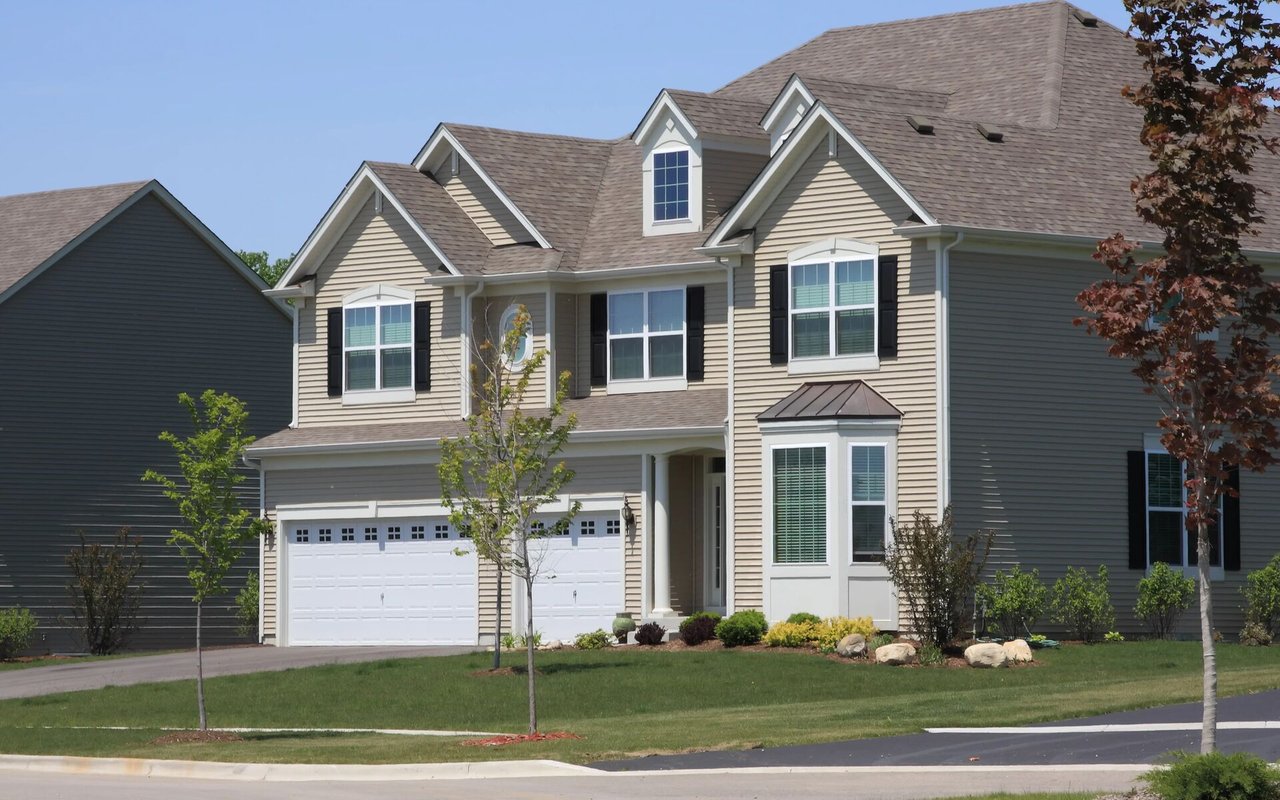
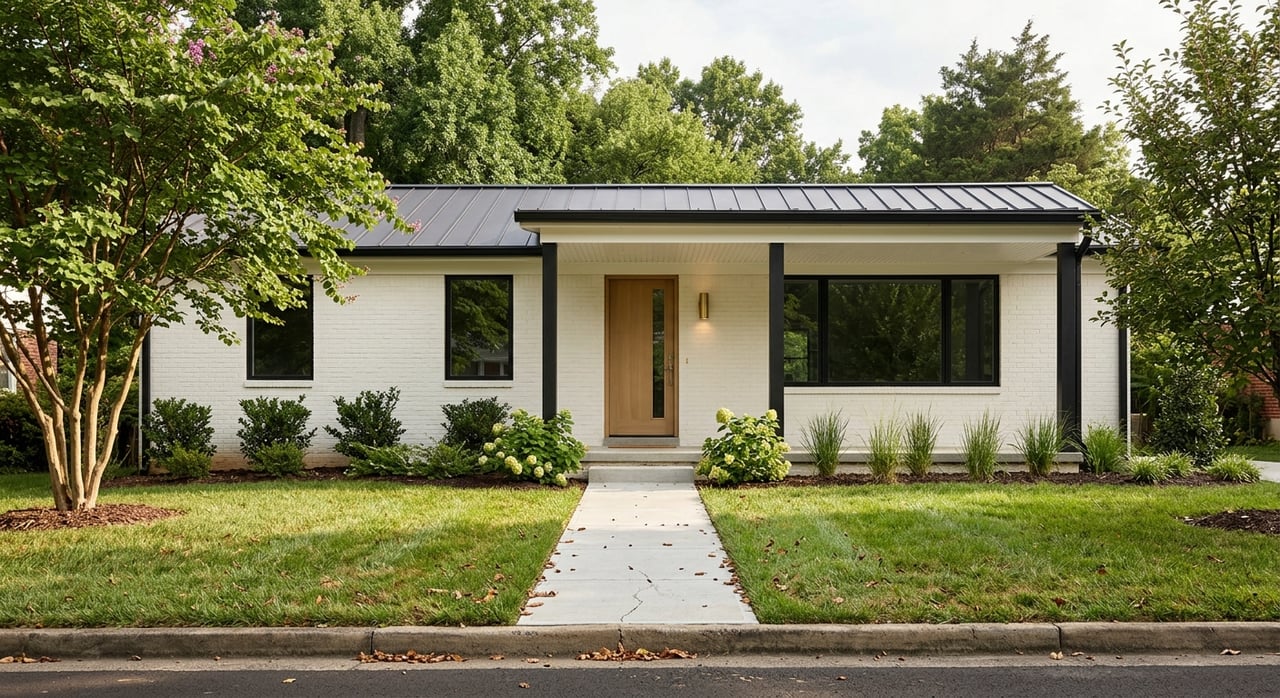
Housing in Hanover still leans heavily toward detached homes. According to the county’s comprehensive plan, as of 2021 Hanover had about 42,400 housing units, including 87.6% single-family detached homes, 4.4% townhouses or single-family condominiums, and 7.0% multifamily housing.
That matters if you are hoping for a traditional single-family home with more breathing room. It also helps explain why Hanover appeals to buyers who want a property type that is still the clear majority in the local housing mix.
The county also notes that manufactured homes are part of the housing mix, including communities along U.S. Route 1. About 70% of Hanover’s housing units were built before 2000, which points to a market with many established neighborhoods rather than one dominated by brand-new construction.
What rural areas feel like
Hanover’s rural areas are a meaningful part of the county’s identity, not just leftover land between subdivisions. The county plan calls for low-density development, large-lot or cluster subdivisions, and limited public utilities in Rural/Agricultural areas. It also says public utilities are generally not extended to those areas.
For you as a buyer, that can affect everything from lot size expectations to utility planning and long-term property use. If you are considering land, acreage, or a home outside the more developed corridors, understanding those details early can make a big difference.
Homeownership trends to know
Hanover has a strong owner-occupied profile. Census QuickFacts shows an owner-occupied housing rate of 82.1%, along with 42,688 households. The median gross rent is $1,591.
Taken together, those numbers reinforce Hanover’s reputation as a county where ownership and single-family living play a major role. If you are comparing nearby areas, this is one of the clearest indicators of Hanover’s overall housing character.
Getting around Hanover County
Commuting and travel in Hanover are shaped by major road corridors. The county identifies Interstate 95, Interstate 295, Mechanicsville Turnpike or Route 360, Washington Highway or Route 1, Chamberlayne Road and Hanover Courthouse Road or Route 301, and U.S. Route 33 as part of its major transportation spine.
That road network is a major part of daily life here. It supports local travel within the county and helps connect residents to Richmond and surrounding areas. If your routine includes commuting, regular errands, or regional travel, these routes are central to how Hanover functions.
What commuting is like
The Census Bureau puts Hanover’s mean travel time to work at 26.9 minutes. VDOT planning for the Richmond region also describes the I-95 corridor north of I-295 as a major commuter and freight artery and a significant commuter route for workers from Hanover County and Ashland.
That means many residents rely on regional road access as part of their normal workweek. Depending on where you live in the county and where you need to go, your daily driving experience may feel very different from someone living in a more compact urban setting.
Rail, airport, and local transit options
Hanover also has a few transportation features that add flexibility. Rail lines in the county are used by Amtrak and freight traffic, and Ashland has one Amtrak station. For air travel, Richmond International Airport is about 15 minutes from the county, according to Visit Richmond.
The county also offers Hanover DASH, a specialized transportation service for older adults and people with disabilities. While most households in Hanover will still rely heavily on driving, these options can be useful depending on your needs.
Parks and outdoor access
If you enjoy spending time outside, Hanover offers a practical mix of recreation and historic places. County parks include Cold Harbor Battlefield Park, North Anna Battlefield Park, Poor Farm Park, Taylor Park, and Washington Lacy Park.
According to the county, these parks feature walking trails, multipurpose fields, pickleball courts, dog parks, an equestrian ring, picnic shelters, and historic battlefield sites. That range gives residents options for casual weekend outings, active recreation, and time outdoors close to home.
Hanover also highlights the Fall Line Trail, a 43-mile regional trail system. Its first segment was developed as the Trolley Line Trail in Ashland. For residents who like walking, biking, or connecting to regional trail infrastructure, that is a notable part of the county’s lifestyle appeal.
Schools and day-to-day community life
Hanover County Public Schools serves about 17,000 students across 24 schools. The division includes 14 elementary schools, four middle schools, four high schools, one trade and technology center, and one alternative school.
The division states that all Hanover schools are fully accredited by Virginia, and its four high schools offer the International Baccalaureate Diploma Program. If schools are part of your relocation research, those are useful facts to know as you compare counties and communities.
Why Ashland stands out
Ashland gives Hanover a distinct small-town center that adds another layer to county life. The town describes itself as a small college town in the heart of Hanover County, with a history shaped by the railroad, Randolph-Macon College, U.S. Route 1, and I-95. It is a seven-square-mile community with more than 7,000 residents.
For many buyers, Ashland offers something that is different from both the suburban corridors and the rural stretches. It brings a more compact town feel, a historic identity, and rail-related character that you do not get everywhere in the county.
Who Hanover County tends to fit best
Hanover often appeals to buyers who want more room, detached homes, and access to Richmond without living in a dense urban environment. The county’s own planning documents make it clear that growth is concentrated in certain areas while large portions of the county remain rural.
That setup can be a strong fit if you want choices. You may be drawn to established neighborhoods, homes near major road corridors, or properties with more land and a more open setting. The right fit depends on how you want to live day to day.
What to consider before you move
The biggest mistake buyers make with Hanover is assuming every part of the county feels the same. It does not. Some areas are more suburban and infrastructure-supported, while others are intentionally lower density and more rural.
That is why it helps to think beyond square footage and list price. You will want to consider commute routes, access to utilities, the type of housing around you, and whether you want to be closer to places like Mechanicsville, Atlee, or Ashland, or farther out where the county feels more open.
If you are considering acreage or a rural property, this is also where due diligence becomes especially important. Property layout, access, utilities, and land-use context can matter just as much as the house itself.
If you want help sorting through Hanover County neighborhoods, suburban resale options, or land and acreage opportunities, Brian Walinski brings a hands-on, practical approach to helping you find the right fit.
FAQs
What is Hanover County, Virginia, like overall?
- Hanover County offers a mix of suburban-service areas, established neighborhoods, rural land, and the small-town setting of Ashland rather than one uniform suburban layout.
What types of homes are common in Hanover County?
- Hanover’s housing stock is dominated by single-family detached homes, which made up 87.6% of housing units in the county as of 2021.
What is the commute like from Hanover County?
- Hanover’s mean travel time to work is 26.9 minutes, and major commuting routes include I-95, I-295, Route 360, Route 1, Route 301, and Route 33.
Does Hanover County have rural areas?
- Yes. Much of the county remains rural, and county planning emphasizes preserving agricultural, forestal, historic, and natural resources outside the Suburban Service Area.
What is Ashland like in Hanover County?
- Ashland is a small college town in Hanover County with more than 7,000 residents, a historic identity, and an Amtrak station.
What parks and trails are in Hanover County?
- Hanover includes parks such as Cold Harbor Battlefield Park, North Anna Battlefield Park, Poor Farm Park, Taylor Park, and Washington Lacy Park, along with access to the Fall Line Trail system.
What should buyers know before moving to Hanover County?
- Buyers should pay close attention to location within the county because suburban corridors, established neighborhoods, and rural areas can offer very different living experiences and property considerations.